Opinion: It's Time to Look Beyond the 2°C Goal
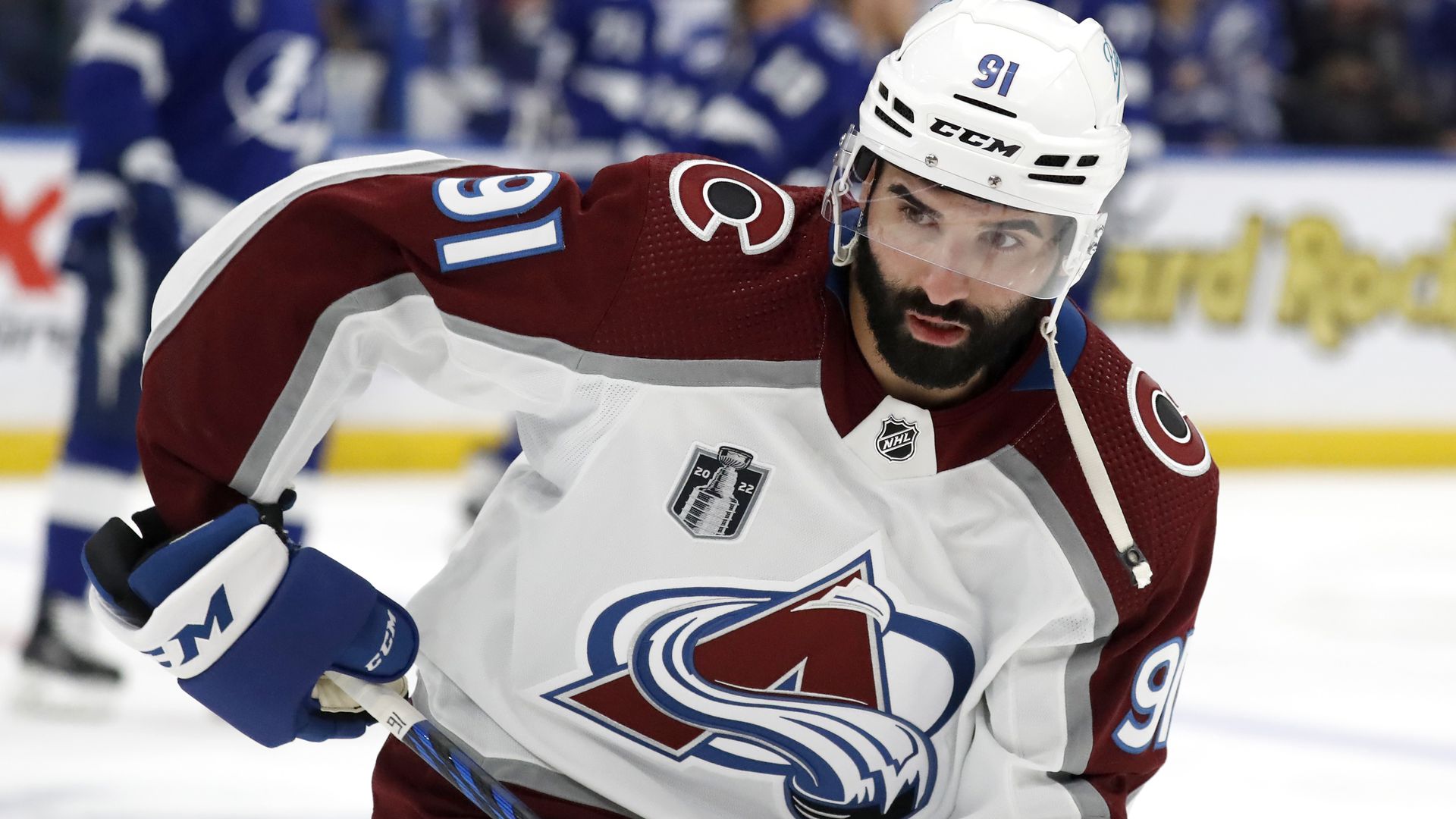
The ship has sailed.
There won’t be any "official" second line center (2C) participating. Colorado Avalanche Anytime soon, we must acknowledge this reality and shift towards a new approach. That said, it does not imply ceasing efforts to enhance our team roster; however, the relentless pursuit of acquiring a specific type of player with insufficient resources has resulted in repeated setbacks and continues to hinder the development of another title-contending squad.
Failure One: JT Compher
In the year following Nazem Kadri’s departure, the responsibility of playing as the 2C fell upon JT Compher. Looking back, Compher performed exceptionally well in this position—arguably better than anyone else from Colorado since their Stanley Cup win. Therefore, the blame doesn’t lie with Compher; rather, it falls on the organization for failing to recognize his value, allowing him to leave without compensation and subsequently bringing in less capable replacements who yielded poorer outcomes.
No one would confuse Compher as a typical "second-line" center, yet during the 2022-23 campaign, he thrived with additional responsibilities. In this period, he reached personal bests by scoring 52 points across 82 matches. This success came alongside more than two extra minutes per game of ice time at five-on-five, taking on heavier defensive duties, and facing significantly more faceoffs—all while keeping his expected-goals-for percentage above 52.65%. Given these achievements, he represented a budget-friendly option at his salary of $5.1 million (potentially lower with local discounts). Additionally, having him backed up by formidable teammates provided flexibility to allocate assets and financial resources towards bolstering other areas crucial for winning championships.
Failure Two: Ryan Johansen
When the Avalanche acquired Ryan Johansen from the Nashville Predators during the offseason without giving up anything in return and offered him a contract worth $4 million per year for two seasons, it seemed like an excellent deal and a suitable replacement for Andre Burakovsky for the 2023-24 campaign. However, reality proved otherwise as Johansen struggled significantly in Colorado, scoring only 14 even-strength points over 63 games following a short period where he excelled on special teams. His performance metrics also fell below expectations, posting a meager 44.77% xG rate and failing to meet head coach Jared Bednar’s physical engagement standards. Ultimately, parting ways with Johansen required surrendering a 2025 first-round draft selection along with having defenseman Sean Walker join them temporarily before moving on again; however, this wasn’t unprecedented since the team had previously paid dearly to correct past errors.
Failure Three: Casey Mittelstadt
The smart decision to capitalize on Colorado’s edge by trading number three defenseman Bowen Byram for Casey Mittelstadt likely didn’t escape the notice of professional scouts. They probably realized that the 26-year-old center’s lackluster and unassertive style wouldn’t align well with Bednar’s aggressive forechecking approach. Despite this, the Avalanche proceeded with the trade. Early contributions towards the close of the 2023-24 campaign obscured these issues temporarily. However, as they prepared to kick off the 2024-25 season, it became clear that Mittelstadt struggled to perform effectively in the second-line role. Similar to Johansen, he initially produced swift points during power plays, which distracted from underlying concerns. But over time, with an expected goals percentage of only 43.84% and tallying 21 points across 63 games at 5-on-5, it became apparent that Colorado needed to make changes.
Another trade loss was planned, and the Avalanche decided to cover the remaining two years of Mittelstadt’s $5.75 million average annual value (AAV) contract. This decision required using the second-round pick they acquired from Carolina when trading away Mikko Rantanen, along with former top 2024 draft prospect forward William Zellers, who had been named USHL Player of the Year. USA Hockey’s Dave Tyler National Junior Tournament Player of the Year award. The deal aims to bring back 33-year-old center Charlie Coyle, who seems like a better stylistic match for Colorado. However, despite costing $5.25 million for the 2025-26 season, he hasn’t proven capable enough to secure the second-center position, leading to continued roster shuffling.
Failure Four: Brock Nelson
Ultimately, despite the challenges involved in addressing the elusive 2C role, the Avalanche opted at the 2025 trade deadline to commit all available assets to securing 33-year-old center Brock Nelson as a short-term solution. This move required surrendering yet another first-round draft pick along with their last significant prospects—a player named Calum Ritchie who has the potential to become a right-handed second-line center. Perhaps Ritchie won’t reach his full promise, but he represented the sole opportunity for Colorado to inject youth and scoring power into their roster akin to what their rivals possess.
Even though it was expensive, Nelson also struggled to boost the second line or create plays effectively during the regular season, ending up with an unimpressive 49.84% expected goals. However, when paired with Gabe Landeskog later in the playoffs, their performance improved. Unfortunately, they still faced difficulties as evidenced by their low 19.11% expected goals rate in the decisive Game 7 against the Dallas Stars.
The options now are either hoping that Nelson’s 59-day stint in Colorado and his reduced ice time during the playoffs—just 49 seconds per game on the power play—were convincing enough for the team to offer him an extension. Given the rumored asking price exceeding seven million dollars annually over more than three seasons, such a deal could prove quite costly. To accommodate this expense, the Avalanche might need to consider trading several established players and finding suitable replacements just to free up sufficient salary-cap space beyond their current projection of $8.7 million for the upcoming campaign.
What Now?
It appears there’s significant trouble in making the Avalanche’s concept of a "second-line" player work with 2C leading the charge. They struggle both in maintaining consistent performance and holding up under analytical scrutiny. The question looms: how much longer will they endure setbacks and squandered assets before acknowledging that if there were a straightforward, innovative, or budget-friendly method to secure a premier second-line center capable of excelling in the desired 2C position, it would’ve been accomplished already? Bednar evidently envisions a conventional second-liner who shoulders substantial defensive responsibilities—tasks too demanding for the top line—and adeptly handles crucial faceoffs in their own end, as well as penalty-killing duties, while still delivering offensive output commensurate with being among the team’s best forwards and commanding corresponding compensation. Such talents are invaluable; however, these kinds of players typically form pivotal parts of rival rosters or command exorbitant salaries when available through unrestricted free agency.
A more effective strategy would be to examine the depth of the teams that are still competing. Stanley Cup Is built and notices that their strategy emphasizes a top-nine forward lineup. In Colorado, Nathan MacKinnon will naturally receive substantial playing time, yet the team might consider adopting a more contemporary tactic to better leverage their resources. They should aim to create a more evenly distributed second and third line by positioning Charlie Coyle and Ross Colton at the center positions. This pair isn’t inexpensive; together they’re slated to earn $9.25 million next year. Given a robust set of wings consisting of Martin Nečas, Valeri Nichushkin, Artturi Lehkonen, along with an ongoing role for Gabe Landeskog, Colorado has the potential to shield and support less dominant centers. While far from perfect, working within these constraints may be necessary following multiple unsuccessful attempts to quickly resolve issues through alternative means.
