This Unconventional Cane Creek Invert Could Be the Ultimate Gravel Fork.
One element I value regarding gravel It's their readiness to challenge limits and test out gear in an effort to achieve superior performance. We've observed this. with tires And bicycle configurations, along with the willingness of gravel bikes to explore innovations in suspension systems, is evident as well.
Nonetheless, gravel-specific suspension solutions are still searching for their niche, explaining why they haven’t gained significant traction or established a clear preference. The suspension fork reviewed herein perfectly captures this predicament.
It eschews conventional designs and technologies utilized in the mountain biking sector, opting instead for an innovative method in pursuit of becoming the premier gravel suspension fork. After completing my tests, I found myself truly amazed by what I discovered.
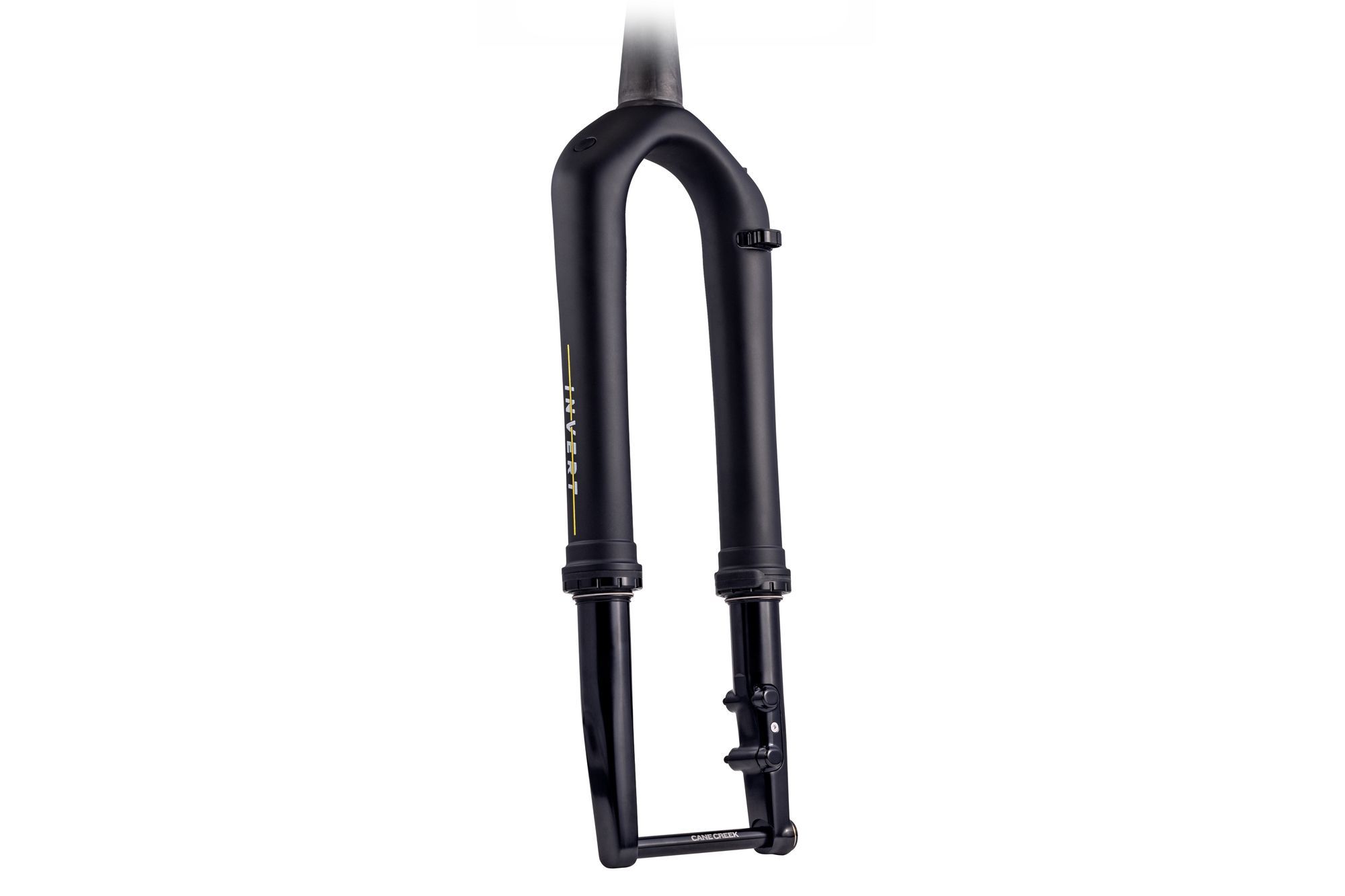
$1199.99
Shop Now
This review concentrates exclusively on the Cane Creek Inert fork. I will not explore the pros and cons of equipping a gravel bicycle with a suspension fork, as I have previously covered this topic. in a different article. Furthermore, I have penned an additional article covering the essential points you should be aware of when adding a suspension fork To a gravel bike. However, for some background, I tend to lean towards bikes with suspension and usually opt for a gravel bike that comes with a suspended fork or stem.
I’ve ridden Fox’s 32TC , the RockShox Rudy , Lauf’s Grit , including the Suntour GVX. Although there were elements I admired, nothing really stood out as impressive. Consequently, I looked forward to testing the Invert, even though I approached it with some skepticism regarding its design and technology.
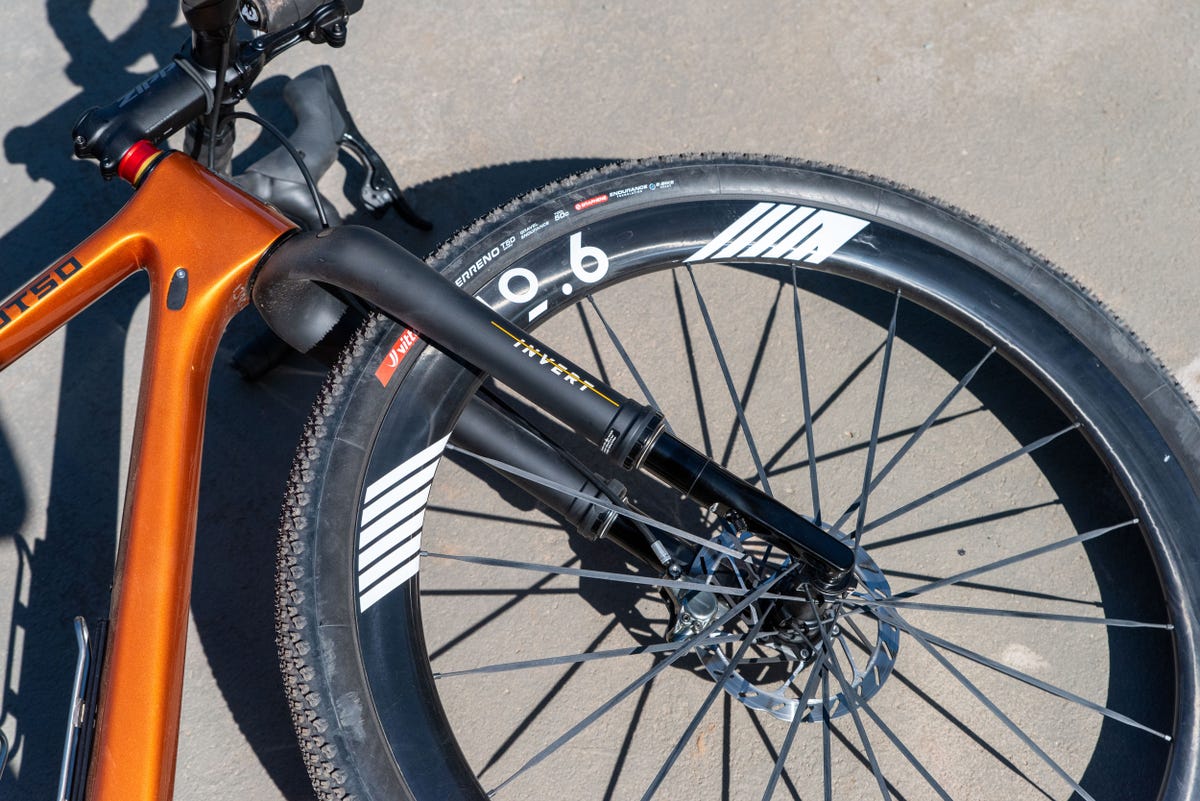
Check out Cane Creek’s fit guide to determine if the Invert will be compatible with your bicycle.” Credit: “Data-Portal-Copyright” Height: "699" Src: "https://hips.hearstapps.com/hmg-prod/images/screenshot-2025-05-23-at-9-21-57-am-68309f5681c2d.png?resize=1200%3A%2A" Title: "screenshot-2025-05-23-at-9-21-57-am.png" Width: "1200"/">I fitted the Invert onto my reliable, suspension-optimized Otso Waheela C, which has served as my go-to gravel testing bicycle for many years. A slight complication with the Invert is that its integrated crown race works exclusively with a 1.5-inch by 36-degree bottom bracket. Fortunately, this standard dimension probably aligns with your bike’s specs—as did mine, since my Waheela came equipped with a stock bottom bracket of exactly these dimensions: 1.5 inches by 36 degrees. For those whose bikes use a 1.5-inch bottom bracket but have differing angles for their crown races, Cane Creek provides an appropriate matching bearing along with the Invert kit. Additionally, I found the Invert’s brake line management to be neat and well-designed; kudos also to Cane Creek for incorporating small rubber protectors aimed at eliminating annoying clatter during rides.
A reversed fork design provides multiple advantages. Its substantial portion being at the upper section ensures great stability front-to-back, enabling the production of a light single-piece assembly encompassing the steering tube, crown, and extended arms. Moreover, gravitational forces help maintain the lubricating fluid within the wiper seals, thus reducing drag effectively.
However, as expected, this reversed design comes with certain drawbacks. A significant drawback is that when the brake-side wiper seal starts leaking, it frequently causes dripping onto the disc rotor and caliper, thereby reducing the effectiveness of the brakes.
However, the primary limitation is insufficient torsional (steering, twisting) stiffness. A conventional "upright" fork uses the cast crown for this purpose. and through-axle to prevent twisting, an inverted fork depends entirely on the axle, which is a lightweight road-specific 12mm axle for the Invert model.
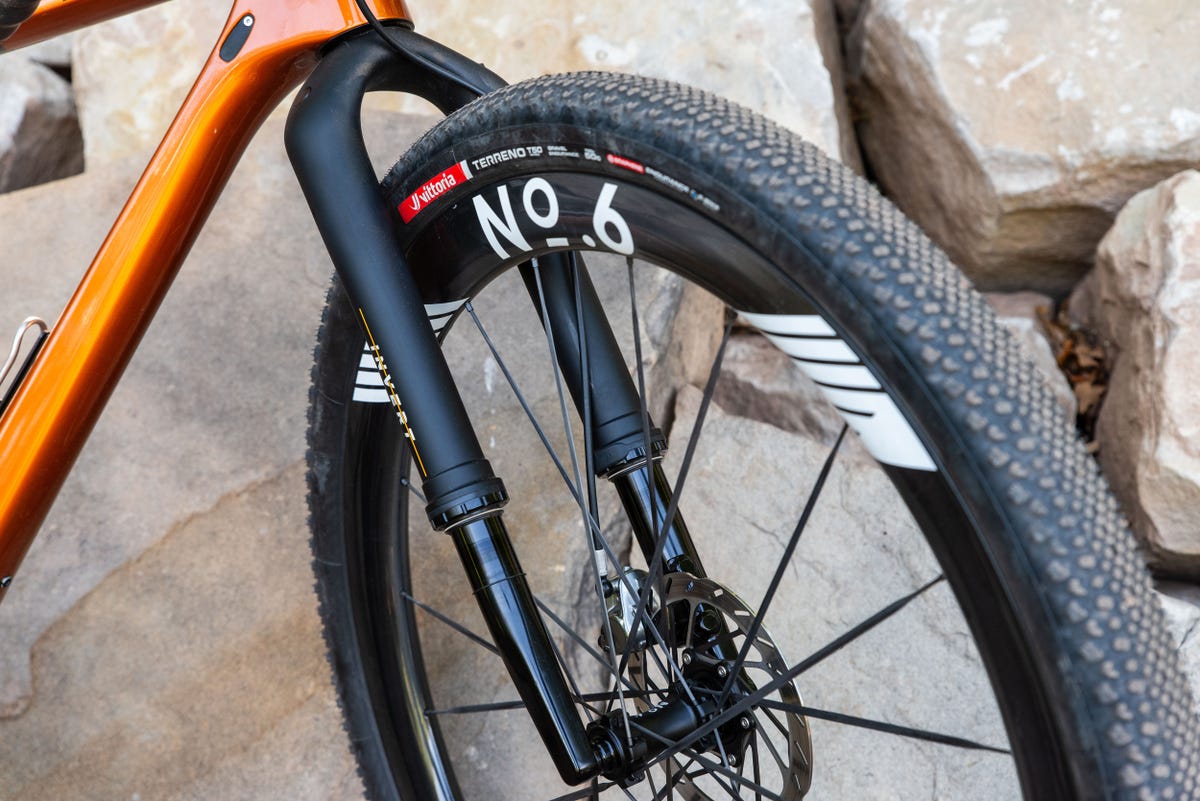
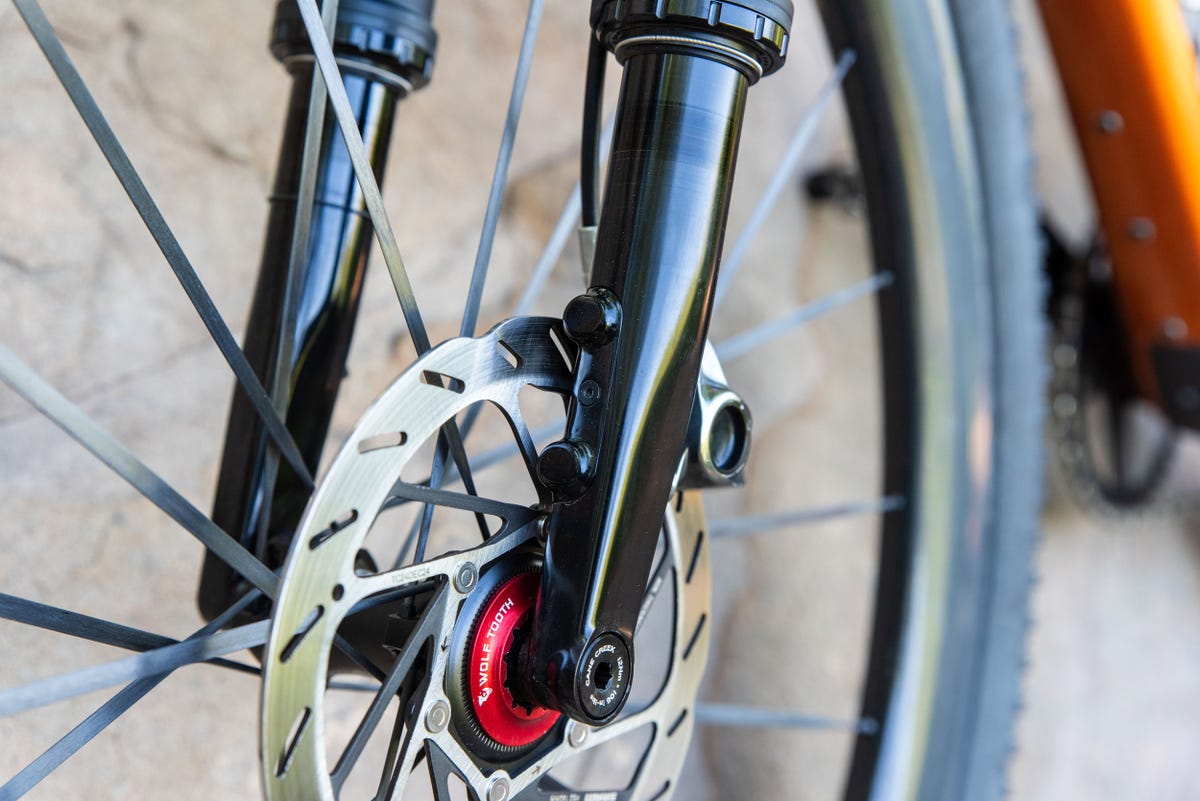
I could easily spend hours discussing inverted fork torsional stiffness solutions such as bigger diameter through axles, Manticore’s HexLock axle, and the squared sliding mechanism used in Cannondale Leftys, but perhaps it would be better to leave that topic for another time.
The main idea is that constructing something can be difficult. light A weight-bearing inverted suspension fork for a bike requires sufficient torsional rigidity. This challenge explains why numerous well-known issues have occurred within the realm of inverted forks (such as with the Marzocchi RAC and the RockShox RS-1). Consequently, most bicycle suspension forks adopt the conventional "non-inverted" layout. Inverted forks that work effectively tend to be designed for higher-travel applications focused on downhill activities, allowing engineers greater latitude when adding mass to enhance their structural integrity against twisting forces.
The primary cause for my doubt about the Cane Creek Inert was mentioned earlier. Additionally, another considerable factor is that it lacks damping.
Many top-tier bicycle suspension forks use a hydraulic damper to control movement and absorb impact forces. Having used forks with faulty dampers as well as those set up with damping that was too weak has been quite frightening for me. These issues lead to an inability to regulate how much the fork compresses upon hitting bumps, along with erratic springing back into place, which throws off the bike’s equilibrium. This makes it hard for the front tire to stay connected to the terrain, affecting both direction stability and stopping power.
Cane Creek tested the Invert both with and without a hydraulic damper, stating that their testers couldn't detect any differences. As a result, they chose the lighter, more straightforward, and easier-to-maintain version without dampers. Nevertheless, I was skeptical and approached riding the Cane Creek fork with substantial doubt, considering my long experience testing bike suspensions revealed two major flaws with the Invert. To make matters worse, during the initial run post-installation, I noticed the front wheel twisting within the fork whenever I applied the front brake firmly.
However, after just one experience, all that skepticism vanished.
The damper was not missed at all. The steering stiffness was more than adequate. There were no noticeable issues with front wheel twist during braking, even on slick surfaces. Additionally, I appreciated its firmness under intense braking (while going straight), its seamless operation, and the quiet performance, along with the straightforward on/off lockout mechanism located on the crown.
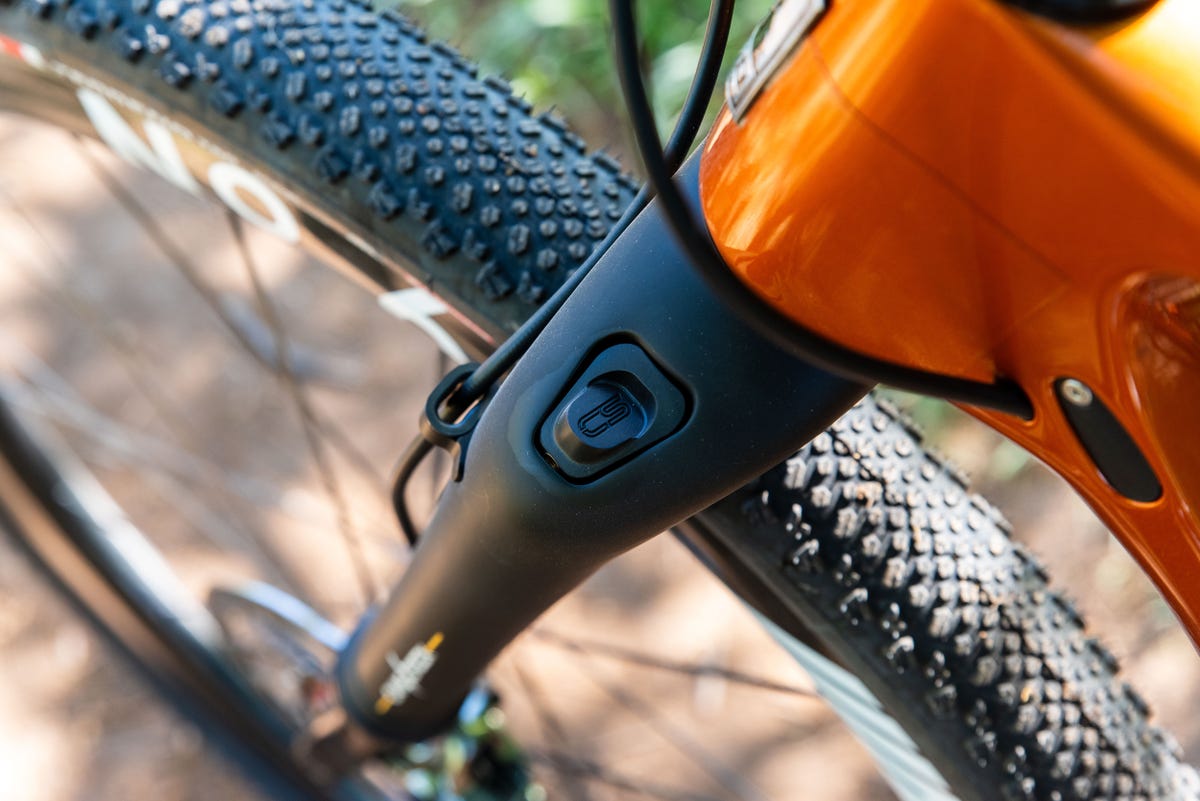
After only a few rides, I unexpectedly found the Invert to be my go-to gravel suspension fork, outperforming both the RockShox Rudy and Fox 32TC, which are traditional upright forks equipped with hydraulic damping systems.
One key factor is that the Invert boasts the superior spring tuning among the trio. I've had difficulty adjusting the Fox and RockShox gravel forks to match my liking because they seem to lack adequate support and proper progression from their springs. Conversely, the Invert offers outstanding responsiveness to minor impacts (possibly thanks to its inverted construction), strong mid-stroke support, and ample damping for larger hits.
The Invert is slightly lighter compared to the Fox and RockShox alternatives, providing an additional benefit. Some people have mentioned that they find the Invert aesthetically pleasing when mounted on a bicycle as opposed to using a conventional setup. This might be because it doesn’t include a brake arch, giving it a more classic appearance. Personally, however, regardless of being inverted or not, I feel that most suspension forks appear bulky and out-of-place at the front end of a gravel bike, despite recognizing their advantages.
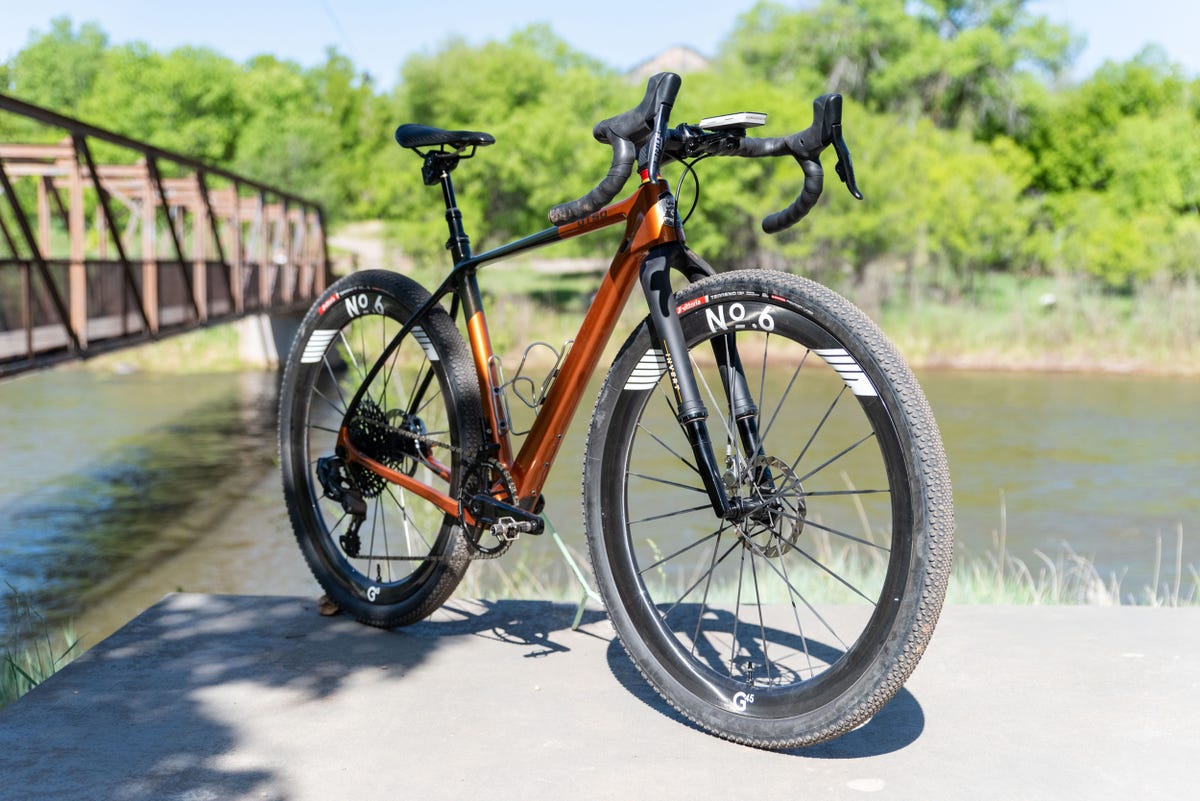
Despite my initial skepticism, the Invert won me over and has become my top choice for a gravel suspension fork, making it the one I’m most inclined to recommend, with one caveat. This caveat is that heavier riders, especially on rougher terrain, might I found it deficient in terms of torsional rigidity. It’s important to highlight that I did not experience any problems on either dirt trails or paved surfaces and never felt the necessity for more stiffness. Nonetheless, I could discern that the Invert offers inferior steering response and lesser torsional stiffness when contrasted with the Fox, RockShox, and Lauf forks.
While I don't think Cane Creek's Invert has settled the ongoing discussion around whether gravel bikes really need suspended forks, I do believe that right now, if you're looking for a suspension fork for your gravel bicycle similar to my preferences, the Invert stands out as the top choice.
Shop Cane Creek's Invert
